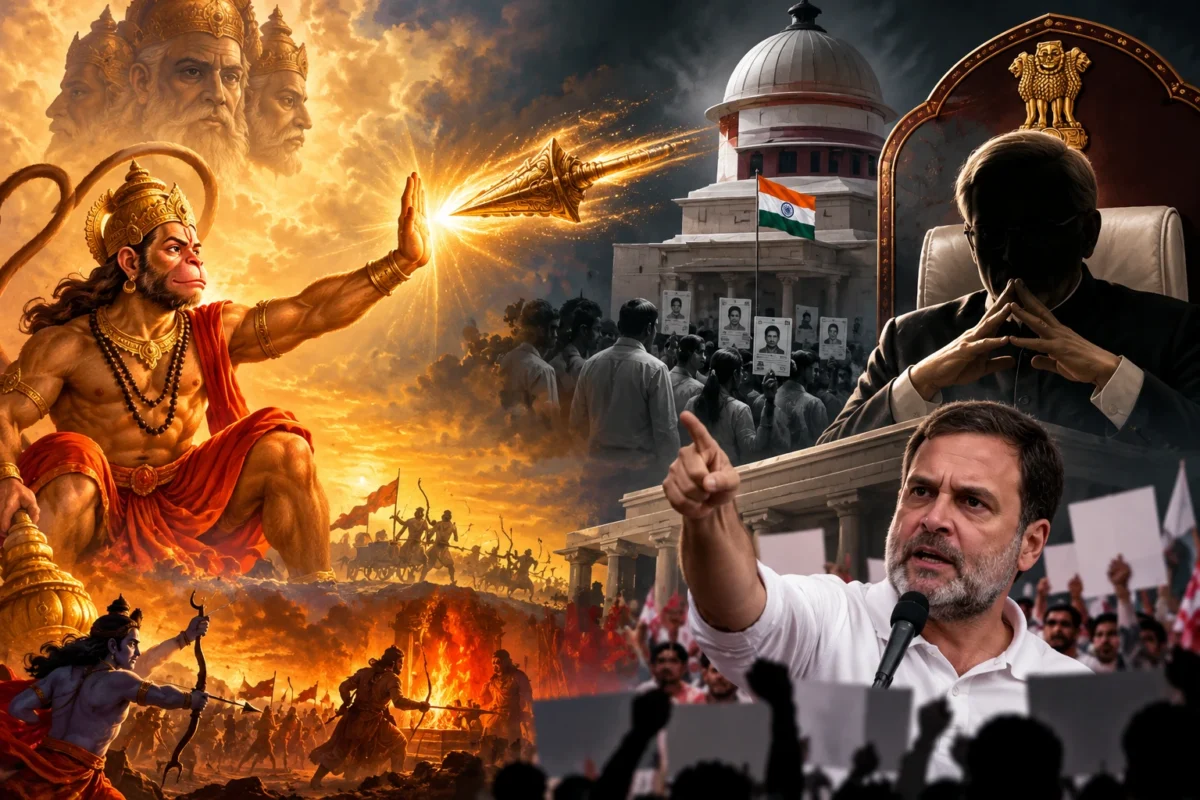
In the classical imagination of the Rāmcharitmānas, two couplets stand as enduring mirrors for questions of power, legitimacy, and moral threshold. The first arises in the Sundar Kāṇḍ, when Hanumān confronts Indrajit’s Brahmastra:
ब्रह्म अस्त्र तेहि साँधा कपि मन कीन्ह विचार। जौं न ब्रह्मसर मानौं महिमा मिटइ अपार॥
Hanumān knows the weapon cannot ultimately bind him. Brahma’s own boon has rendered him immune. Yet he deliberately chooses to honour it, reflecting that if he rejects the astra, its immeasurable glory—mahima—will be diminished. Restraint here is not weakness. It is a conscious subordination of immediate advantage to the preservation of a higher systemic value. The astra represents more than a missile; it embodies the cosmic order itself. To nullify it casually would be to wound the very principle that gives weapons, institutions, and authority their legitimacy.
The second couplet, from the Bālkāṇḍ, sharpens the warning:
लखि सुबेष जग बंचक जेऊ। बेष प्रताप पूजिअहिं तेऊ॥ उघरहिं अंत न होइ निबाहू। कालनेमि जिमि रावन राहू॥
Even impostors and cheats (bañcak), when clothed in fine attire (subeṣ), are worshipped by the world because of the prestige of that attire. Yet deception cannot endure forever. The outer form commands respect, but it cannot permanently conceal a hollow or predatory substance. Kālanemi, Rāvaṇa and Rāhu all illustrate the eventual exposure of those who wear the robes of sanctity while serving adharma.
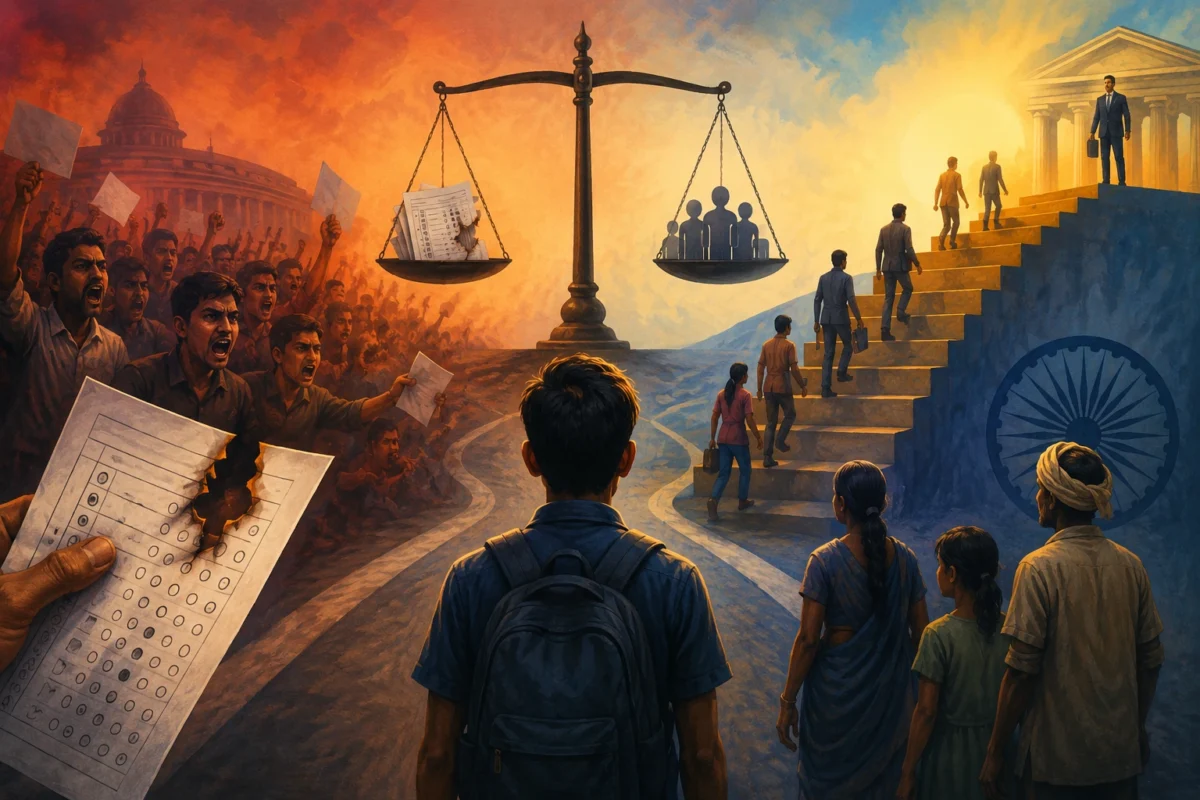
These two verses together establish a hierarchy that is neither simple deference nor permanent suspicion. Mahima—the procedural glory, the formal legitimacy, the institutional prestige—is the ordinary and necessary default. It stabilises society, creates predictability, and prevents every conflict from descending into total war. Yet mahima is not the highest value. When the substantive core of dharma itself is threatened, procedure must yield. The epic demonstrates this repeatedly. In the final stages of the war, Rama’s side does not hesitate to interrupt Indrajit’s Nikumbhilā yajña—the sacred ritual that would have rendered him nearly invincible. The formal sanctity of the sacrifice is subordinated to the survival of dharma. Hanumān, who earlier protected the glory of the Brahmastra, now operates in a context where outcome overrides form. In certain later and folk traditions, he is even shown intercepting a Śakti aimed at Rama, neutralising the weapon rather than honouring its prestige. When the life of the embodiment of dharma is at stake, mahima ceases to be the imperative.
This classical grammar of restraint and rupture offers a powerful lens through which to examine the centrality of the Election Commission in India’s constitutional democracy—and the recent escalation by the Leader of the Opposition.
The Election Commission occupies one of the most solemn “robes” in the constitutional order. Its formal authority—beṣ-pratāp—is indispensable. Free and fair elections are the procedural foundation upon which the entire edifice of representative democracy rests. Without a widely accepted referee, every electoral outcome becomes contestable, and the system slides toward pure power struggle. Default respect for the Commission is therefore not optional; it is a condition of democratic survival. Continuous, casual delegitimisation of the institution would itself corrode the mahima on which peaceful transfers of power depend.
Yet the couplets refuse to grant any institution permanent immunity. If credible evidence accumulates that the robes are being worn by those who hollow out their purpose—if the Commission is perceived to function less as a neutral guardian of the electoral process and more as an instrument of partisan advantage—then the duty of restraint reaches its limit. At that threshold, continued deference to form becomes complicity in the erosion of substance. The bañcak in holy robes must eventually be confronted, not because institutions are disposable, but because their continued misuse threatens the very order they were created to protect.
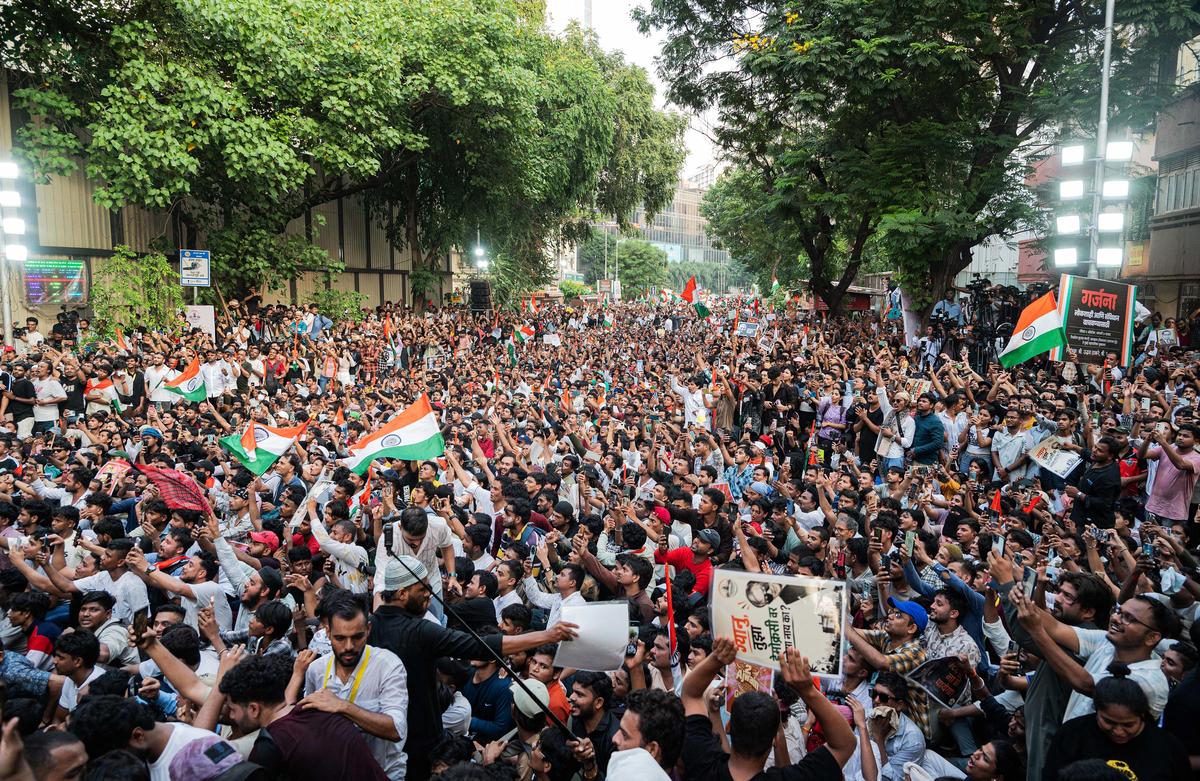
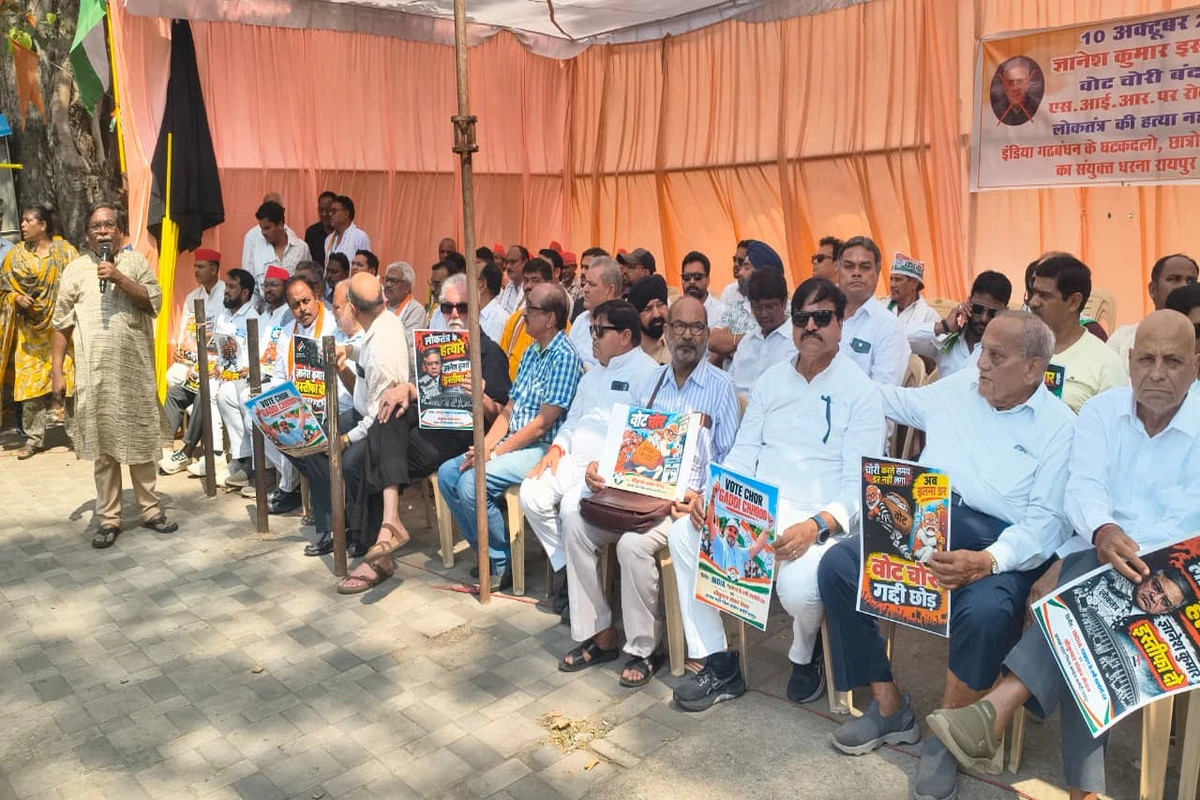
It is within this interpretive frame that Rahul Gandhi’s recent interventions have been presented by his supporters as a decisive turning point. After months of alleging “vote chori” and questioning the Special Intensive Revision of electoral rolls, the Leader of the Opposition moved to an explicit and public escalation. In press conferences, he named Chief Election Commissioner Gyanesh Kumar a “deshdrohi,” demanded his immediate resignation, and asserted that the government which appointed and sustains him must itself fall. The X post of 10 October 2026 crystallised the claim:
ज्ञानेश कुमार जाएँगे। यह सरकार जाएगी। फिर शुरू होगी लोकतंत्र की मरम्मत।
Accompanied by a video of his address to INDIA bloc MPs in the Central Hall of Parliament, the statement functions as more than parliamentary criticism. It is framed as a clarion call: the moment when the opposition declares that the threshold has been crossed, that the institutional form is now being used against the substantive content of democracy, and that only the removal of both the CEC and the government can begin the work of repair.
In the language of the tradition we have been tracing, this is the shift from the Hanumān of the Sundar Kāṇḍ to the battlefield logic of the final war. Earlier criticism could be read as operating within the framework of institutional respect—raising questions, demanding transparency, waiting for demonstrative proof. The recent sequence is presented as the recognition that further procedural deference would amount to protecting the robes while the substance is emptied. The gauntlet has been thrown. The call is issued not merely to political opponents but to the wider public: to see the situation as one in which mahima must yield to the defence of dharma.
Whether this diagnosis is accurate remains fiercely contested. Defenders of the government and the Election Commission argue that the charges are exaggerated or politically motivated, that institutional processes remain intact, and that the opposition is seeking to delegitimise constitutional bodies after electoral setbacks. Critics counter that the cumulative record—internal dissent notes from the other Election Commissioners, the conduct of the SIR exercise, the pattern of decisions—has now reached the point of demonstrative evidence. The classical frame does not adjudicate the factual dispute. It only clarifies the moral structure of the choice once a political actor concludes that the threshold has been crossed.
What the tradition insists upon is viveka—the discriminatory intelligence that can distinguish ordinary institutional friction from existential threat. Crossing the line too early destroys the system’s stabilising forms. Refusing to cross it when the evidence is clear abandons the system’s purpose. Mahima is the procedural dimension of justice. It is indispensable in ordinary times. It cannot, however, be permitted to override the substantive core when the survival of the democratic order itself is at stake.
Rahul Gandhi’s recent statements, viewed through this lens, constitute an explicit claim that the final stakes have arrived. The clarion call is an invitation to the public to accept that diagnosis and to act accordingly. The epic reminds us that sincerity of conviction does not guarantee victory, nor does the language of dharma automatically confer legitimacy. History will judge whether the call correctly identified the threshold or whether it itself risked further erosion of the institutional forms it claimed to defend. What the couplets make clear is that the tension between form and substance is permanent, and that every generation must decide, under the pressure of its own evidence, when reverence for the robes must give way to the defence of what the robes were meant to protect.