On Sofia Firdous, Victim-Blaming, and the Epistemic Cowardice of India’s Democratic Conscience
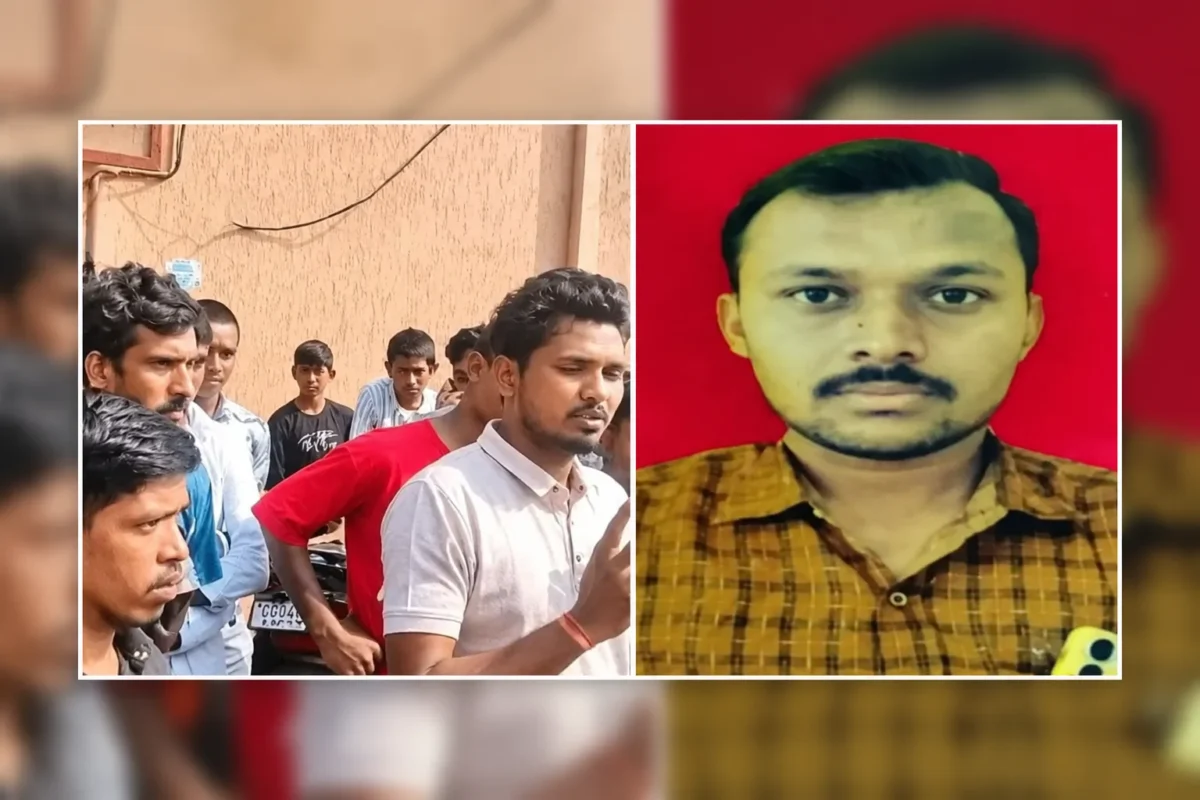
On March 17, 2026, the Indian National Congress suspended Sofia Firdous for cross-voting in the previous day’s Rajya Sabha elections in Odisha. The media verdict followed within hours: traitor, shameless, sold to the BJP. Some put it with communal precision — Muslims could be bought. The party machinery, the press, and social media converged on a single question: what is wrong with her?
Let us pause at that question before accepting it. Sofia Firdous is a first-term MLA from Barabati-Cuttack, young, articulate, from a politically connected and affluent family — a woman with every reason to want a political future and no rational material incentive to destroy it. Bribery is an inadequate explanation for someone of her background who understood that crossing the whip meant career death. The only serious remaining explanation — the one that media and intelligentsia have conspicuously declined to pursue — is coercion. Legal threat through the ED or CBI. Pressure on her family. Physical intimidation.
No public evidence has surfaced, because in a climate of normalised fear, it rarely does. But the pattern across Maharashtra, Karnataka, Goa, and Manipur is not obscure. The instruments are well documented. The outcomes are consistent. And yet the country’s question is not: what was done to her? It is: what is wrong with her?
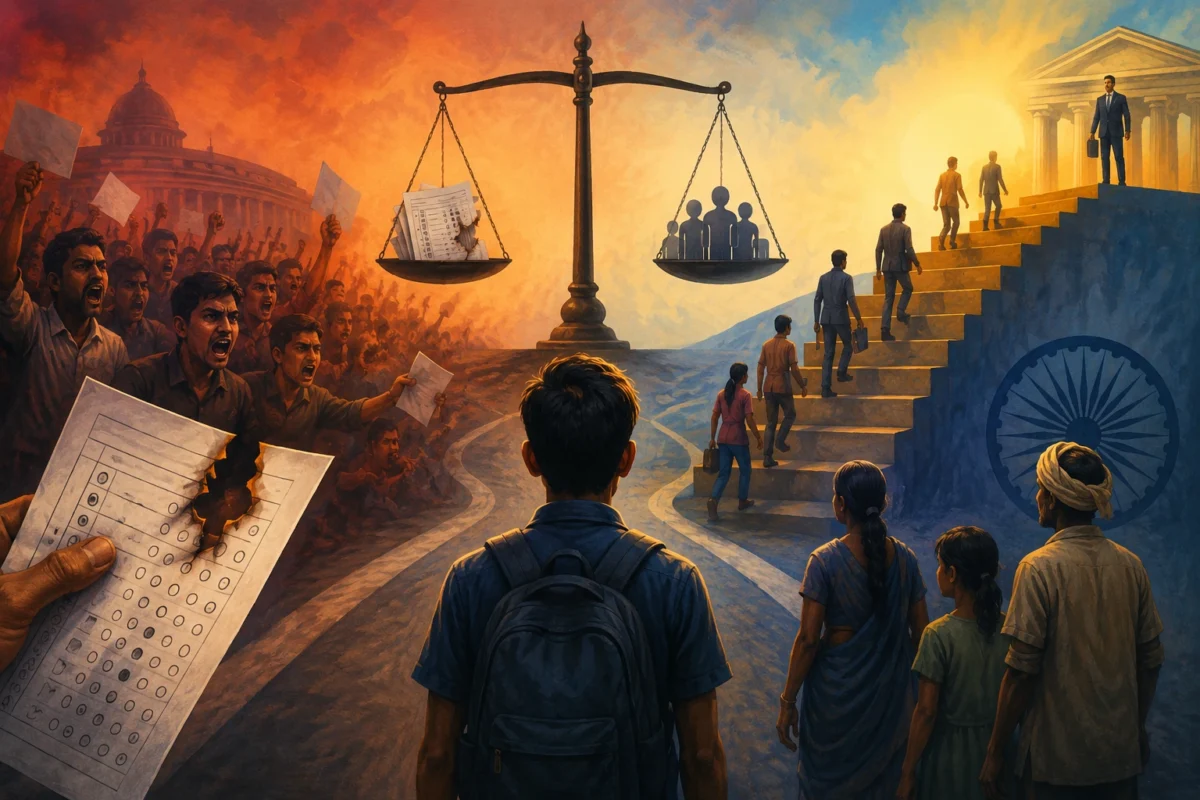
Blaming a rape victim for her rape performs a precise sleight of hand — it shifts culpability from perpetrator to victim, makes the exercise of power invisible by making its consequences the object of moral scrutiny, and protects the aggressor by destroying the person he harmed. This is not a metaphor deployed for rhetorical effect. It is a structural description of what happened to Sofia Firdous on March 17, 2026, in the full apparatus of Indian democratic discourse. It deserves to be named as such, directly and without softening.
The Corruption of Testimonial Authority
In Indian philosophical epistemology, shabda pramana — reliable verbal testimony — is a valid means of knowledge because society cannot function if every claim must be independently verified. The apta, the reliable authority, is trusted to constitute what is real for those who cannot directly witness events. The media and intelligentsia occupy precisely this position in a democracy. They are granted access, platform, and public trust on the understanding that they will function as apta — that their testimony will be truthful, based on direct inquiry, and transmitted without distortion.
When a media outlet frames Sofia Firdous’s cross-vote as straightforward betrayal, it is not merely being unfair. It is using the authority of shabda pramana to actively produce a false reality — one in which the agents of coercion are invisible and the coerced person is the sole moral actor. Society does not merely receive a biased account. It receives a world in which the ruling party’s use of state agencies as instruments of political pressure does not exist.
This is not an abdication of journalistic duty. It is the misuse of epistemic authority to manufacture consent for the very power the press exists to check. The media, in these moments, does not simply fail democracy. It becomes an instrument of its dismantling — deploying the trust that democracy has placed in it against democracy’s survival. The intelligentsia that writes columns on opposition disunity without examining the ecosystem that produces it is complicit in the same inversion.
The Vanquished Psyche and Its Cost
A society that has watched its institutions captured one by one develops a defence mechanism: it displaces blame inward. Unable to confront the aggressor — too powerful, too capable of further punishment — it turns on the individual who visibly broke. Sofia Firdous is that target. She is young, female, Muslim, a first-term MLA with no institutional protection. She is the perfect object for a rage that cannot safely go where it should.
This mechanism accelerates the very defeat it is trying to manage. When the opposition is blamed for weakness rather than the ecosystem that produces weakness, pressure falls on politicians to perform impossible feats of resistance rather than on society to provide the protection that makes resistance possible. The opposition is only as strong as the cover it receives.
A politician who defies coercion and is then suspended by her party, convicted by the media, and shamed by the public has been taught — and has taught every MLA watching — that resistance offers no protection and breaking offers no sympathy. The next act of coercion will meet less resistance. The cowardice is infectious because each instance makes the next less costly and more automatic. The erasure of the last figments of resistance does not stabilise anything. It only worsens the tyranny it declines to name.
The media and intelligentsia are structurally safer than the politicians they cover. They cannot be disqualified under the Tenth Schedule or summoned by the ED for a cross-vote. This relative safety is not a privilege to be protected. It is a responsibility to be discharged — to ask what Sofia Firdous actually faced, to name the coercion ecosystem rather than its victims, to bear the share of the threat that the elected representative cannot afford to bear alone.
The traitor in this story is not Sofia Firdous. The traitor is the discourse that made her the story.