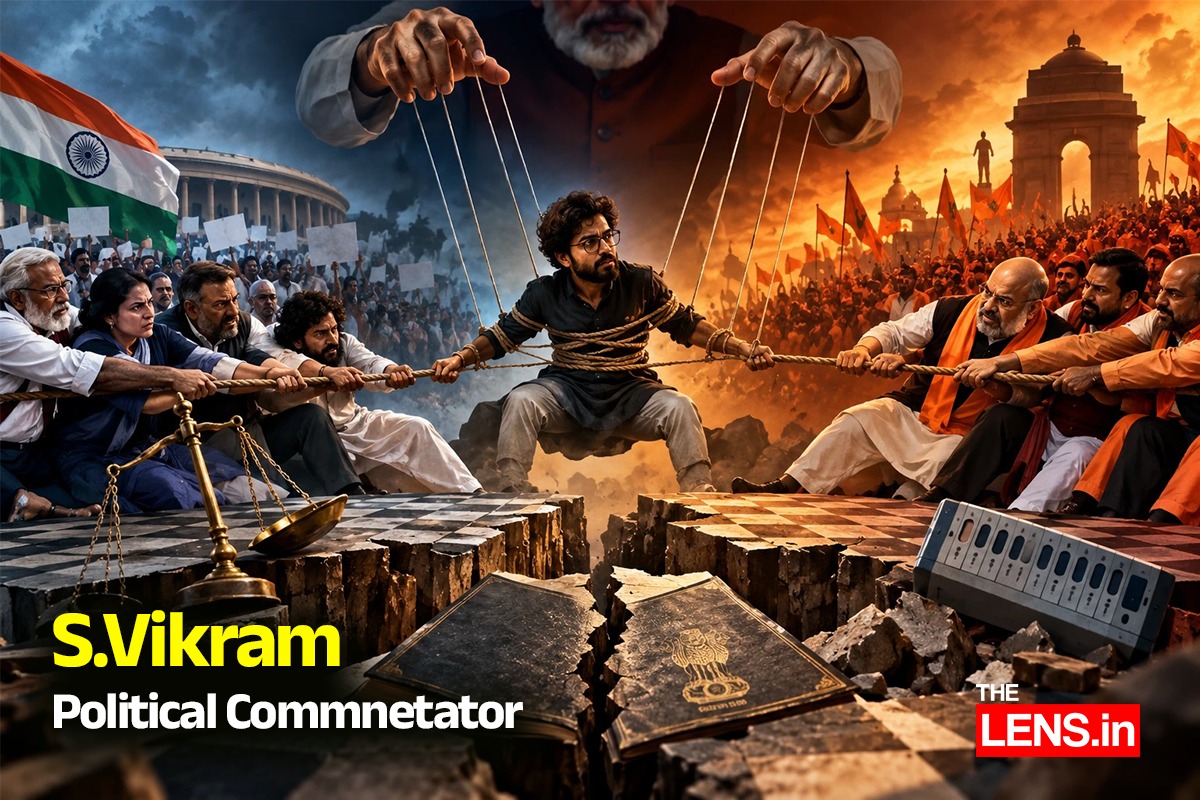
The phrase ‘constructive opposition’ has hardened into dogma. Yesterday’s analysis laid bare its origins, its dilution from Gandhi’s subversive preparatory ethic into a post-1950 parliamentary leash, and its weaponisation in 2026 as a tool to delegitimise any challenge to institutional capture.
When the Speaker, the Rajya Sabha Chairman and the Chief Election Commissioner stand accused—through formal no-confidence motions and an unprecedented impeachment notice—of partisan alignment with the executive majority, the demand for perpetual ‘constructiveness’ ceases to be responsible stewardship.
It becomes complicity in a constitutional democracy that has dissociated from its own foundational restraints.But the dysfunction runs deeper than rhetoric or recent flashpoints. Yesterday’s piece exposed the symptom; today we map the anatomy.
Indian politics operates within structural limits that render ‘constructive opposition’ not merely inadequate but a category error. The scope of our enquiry—post-colonial complexity, elite constitutionalism grafted onto low-penetration institutions, asymmetric party capacities, mandate articulation failure, and an objective-tool mismatch—reveals why incremental critique inside the parliamentary arena cannot repair a system whose very foundations are contested.
The case against constructive opposition is no longer tactical. It is diagnostic.Consent Without Discourse: The Constitution’s Goodwill Premium Has ExpiredThe republic’s foundational document was an elite compact, ratified less by granular public deliberation than by the moral capital of the freedom struggle.
A largely illiterate, segmented society extended ‘goodwill’ to the founding generation rather than reasoned consent to every clause. That premium expired with the founders.
What remains is a constitutional order whose legitimacy is now performative—invoked selectively, stretched when inconvenient.Nation-building itself is contested at the ontological level: Unity in Diversity versus Diversity in Unity; minority protections through secularism and federal asymmetry versus majority cultural assertion; affirmative action and socialist redistribution versus restoration of status-quo social hierarchies.
Once the nation-state’s very grammar is up for grabs, no amount of constructive parliamentary debate can arbitrate. The arena itself becomes the prize. Opposition that confines itself to ‘better alternatives’ within this contested meta-framework merely manages symptoms while the disease—rival visions of the republic—festers outside the elite vocabulary.
Elite Institutions, Mass Society: The Penetration DeficitParliament, the higher judiciary, the Election Commission and the civil services speak a language of rights, precedents and procedures that never developed capillary presence in the mofussil or the vernacular public sphere.
Elections alone possess genuine mass penetration. The result is structural mismatch: the constitutional order demands deliberation and restraint; the electoral order rewards raw mobilisation and narrative dominance.The March 2026 events illustrate this perfectly.
The 13-hour no-confidence debate against Speaker Om Birla ended in a voice-vote rout. The impeachment notice against CEC Gyanesh Kumar—signed by 193 MPs, citing Special Intensive Revision disenfranchisement and partisan conduct—invokes Article 324(5) but stands zero chance of passage.
These are constitutional weapons deployed precisely because routine tools (questions, adjournment motions, debates) have been neutralised by majority control. Yet the defeats are spun as proof of ‘obstruction.’
An elite institution cannot defend itself when the attacker speaks the colloquial language the masses actually hear. Constructive opposition inside the elite arena is therefore shadow-boxing; the real contest occurs in the vernacular sphere where constitutional grammar has no purchase.
Asymmetric Party Constraints: Constitutional Mortgage versus Cultural EntrepreneurshipParties inheriting the anti-colonial legacy carry an ideological mortgage.
They are publicly bound to secularism, federal asymmetry and redistributive socialism—the founding bargains. Their challengers face no equivalent mortgage in practice.
They can invoke majoritarian sentiment, cultural revivalism or status-quo hierarchies without violating the letter of the Constitution while steadily eroding its spirit. This asymmetry turns “constructive opposition” into unilateral disarmament.
The constrained player must argue inside the constitutional box; the unconstrained player can shift the box itself. When the Speaker is shielded by the same majority that benefits from alleged procedural bias, or when the CEC—appointed under a new executive-dominated process—faces charges of electoral misappropriation, the opposition’s ‘constructive alternatives’ become irrelevant.
The structural design flaw the framers deliberately embedded (constraints to protect pluralism) is now exploited asymmetrically. In such conditions, constructiveness is not maturity; it is self-sabotage.
The Mandate Problem: Democracy’s Articulation FailureElections in a society stratified by caste, language, religion, region and class deliver only blunt vectors, not nuanced mandates. A vote for ‘development,’ ‘cultural pride’ or ‘social justice’ bundles contradictory aspirations.
Post-poll, every actor claims the mandate for their maximalist interpretation. Parliament then becomes theatre: numbers prevail, but the deeper contest over the soul of the republic remains unresolved.
The opposition can critique specific policies, but it cannot force a deliberative re-negotiation of the meta-mandate because the system possesses no mechanism for it.
The March 13 impeachment notice against the CEC is not obstruction; it is an attempt to expose how even the electoral referee—supposed to translate raw votes into legitimate power—has allegedly been misappropriated.
Constructive participation merely ratifies the aggregation; it does not correct the articulation failure.Objective–Tool Mismatch: Himalayan Goals, Episodic ToolsThe political system has been assigned civilisational objectives—modernisation, social transformation, national cohesion—yet possesses only one reliable mass tool: the electoral cycle.
Everything else (welfare architecture, judicial activism, federal bargaining) is downstream and reversible. When objectives are civilisational and tools are episodic and aggregative, incremental ‘constructive’ opposition is structurally inadequate.
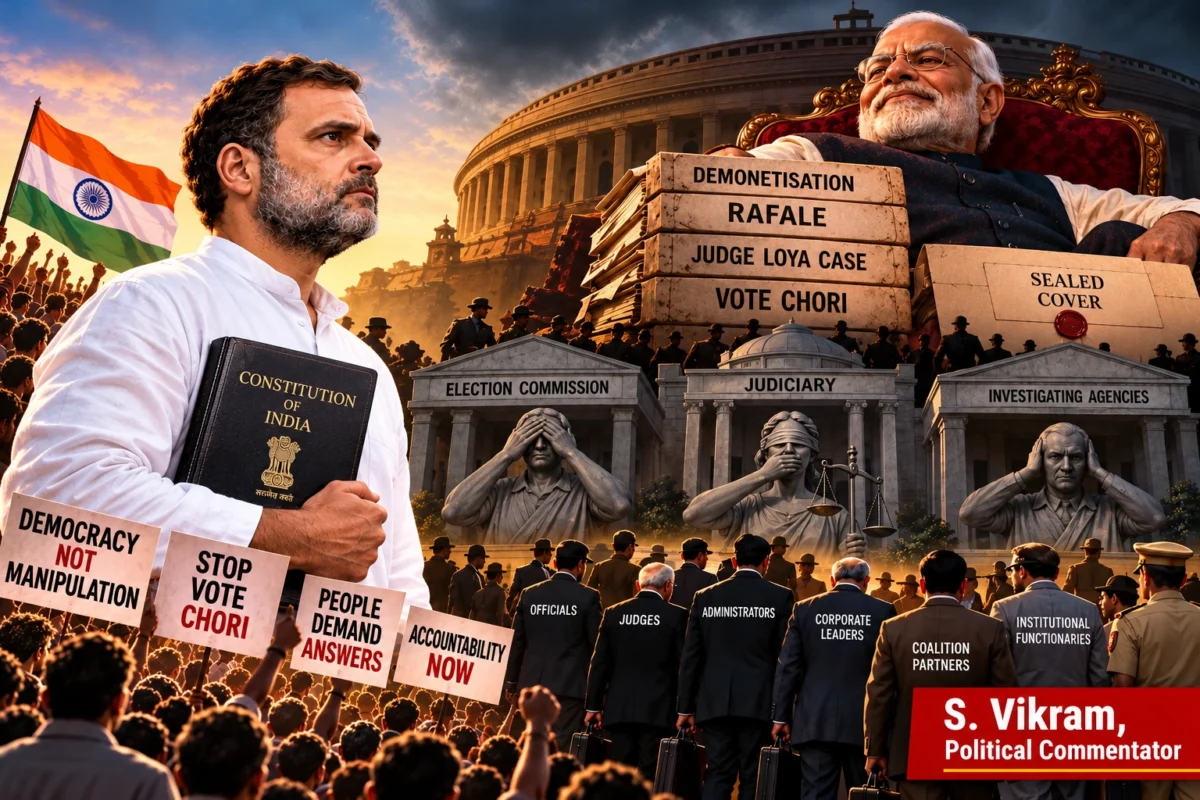
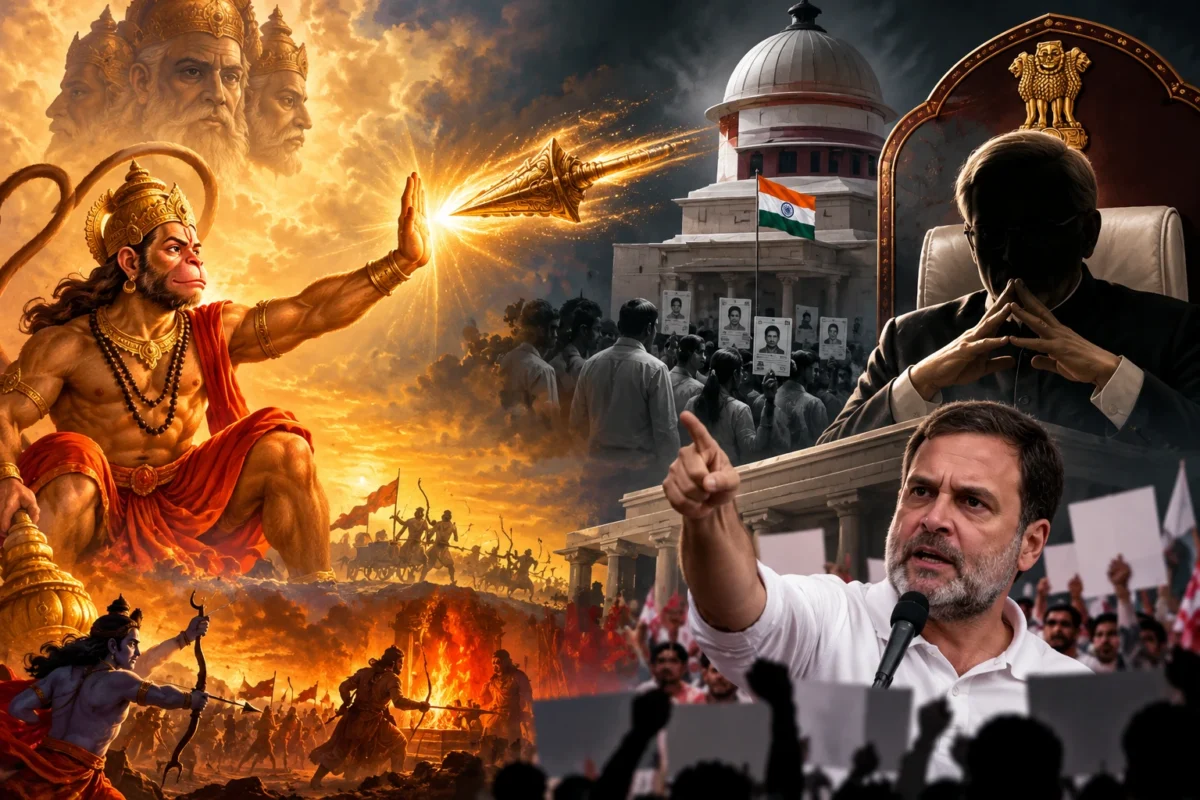
It can tweak policy at the margins; it cannot reset the civilisational vector when that vector itself is contested.From Diagnosis to Prescription: Reclaiming Constitutional Disruption and Reconstructive DestructionThe March 2026 actions—Speaker no-confidence, Vice-Presidential notice, historic CEC impeachment, Rahul Gandhi’s Lucknow reclamation of the Constitution as egalitarian culmination—already embody the necessary shift.
They are not ‘destructive of democracy’ but reconstructive of constitutional fidelity. They align with proven precedents: JP’s Total Revolution that pressured systemic change despite Emergency backlash; the 1989 Bofors mass resignations that delegitimised tainted shielding; Anna Hazare’s extra-legislative imposition of civil-society voice; even regional boycotts that forced neutral caretaker demands.
These were never anti-constitutional. They were Ambedkar-Gandhi synthesised: structural confrontation with entrenched hierarchies (Ambedkar) disciplined by non-violent, bounded escalation (Gandhi). The new grammar— ‘constitutional disruption’ to interrupt business-as-usual and expose capture; ‘reconstructive destruction’ to target perverted apparatuses rather than the Constitution itself—must replace the exhausted dogma of constructiveness.
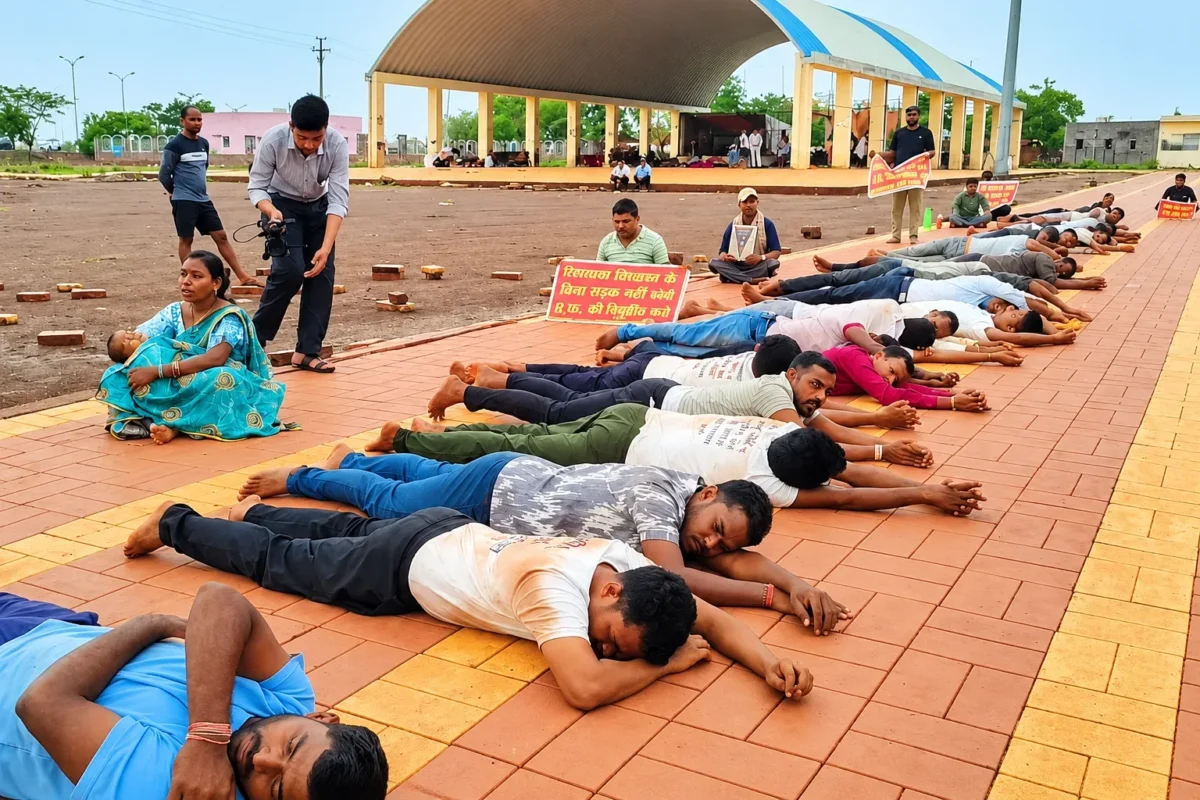
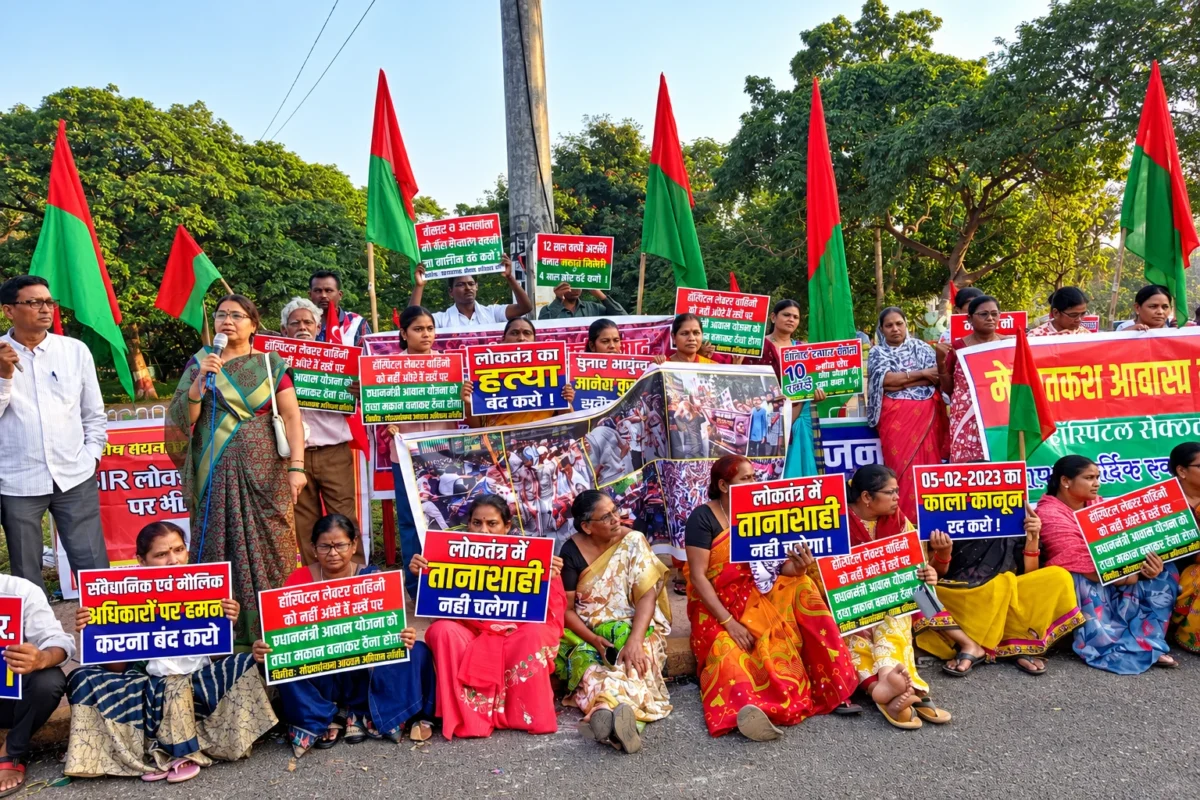
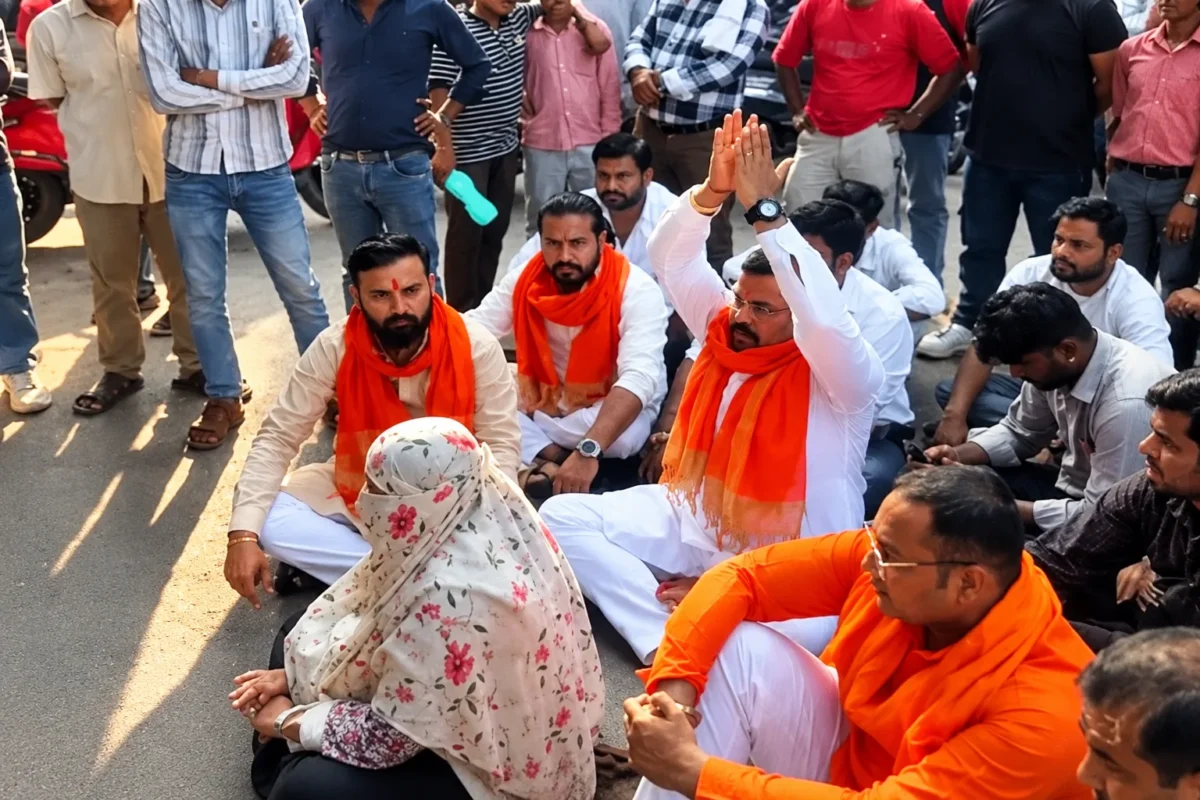
This does not invite chaos. It demands hybrid praxis: maximal use of constitutional remedies (motions, impeachment, PILs, floor protests) coupled with calibrated extra-parliamentary mobilisation and vernacular narrative warfare.
Only this hybrid can bridge the penetration deficit and force the articulation of deeper mandates.
Conclusion: The Patient’s Anatomy Does Not Support the Prescribed MedicineIn the India of 2026, constructive opposition is not a virtue; it is a category error. The structural limits—expired consent, elite-mass mismatch, party asymmetry, mandate failure, objective-tool imbalance—make incremental critique inside a captured, low-penetration arena self-defeating.
When neutral offices are perceived as executive extensions, deference to ‘established parliamentary norms’ ratifies betrayal.The opposition’s recent constitutional escalations signal awareness of this reality.
Whether they evolve into sustained reconstructive praxis—defending the Constitution by any parliamentary and extra-parliamentary means necessary—or dissipate into symbolic gestures will decide if Indian democracy revives as a living, plural constitutional order or slides into majoritarian theatre.
The grammar must change. The architecture must be confronted. Anything less is performative piety, not serious politics.